Mahindra Series 15 Service/Repair Manual: A Comprehensive Guide
This manual provides detailed guidance for servicing the Mahindra Series 15 tractors, including 4WD models from 2015․
It covers operators manuals, wiring diagrams, and repair procedures for various systems․
Access to digital downloads of service and operator manuals is readily available, alongside parts catalogs for efficient maintenance and troubleshooting․
Troubleshooting guides address issues like exhaust leaks and fuel supply restrictions, ensuring optimal performance and longevity of your Mahindra tractor․
The Mahindra Series 15 represents a robust line of tractors designed for versatility and reliability in agricultural and light industrial applications․ Introduced in 2015, these 4WD models quickly gained recognition for their dependable performance and user-friendly operation․ This series caters to a diverse range of tasks, from general farming duties to landscaping and property maintenance․
Understanding the intricacies of the Series 15 is crucial for both operators and maintenance personnel․ This is where a comprehensive service and repair manual becomes invaluable․ These tractors feature a blend of mechanical and hydraulic systems, requiring specialized knowledge for effective troubleshooting and repair․ The Series 15 is known for its straightforward design, making it accessible for skilled technicians․
Operators will benefit from understanding the controls and features detailed in the operator’s manual, while the service manual equips technicians with the necessary information to diagnose and resolve mechanical issues․ Proper maintenance, guided by these resources, ensures longevity and optimal performance of the Mahindra Series 15․
Scope of the Service Manual
This service manual comprehensively covers the Mahindra Series 15 tractors, encompassing detailed procedures for repair, maintenance, and troubleshooting․ It extends beyond basic operator instructions, delving into the intricacies of each system – from the engine and transmission to the hydraulics and electrical components․ Wiring diagrams are included for effective electrical system diagnosis and repair․
The manual’s scope includes step-by-step instructions for tasks like engine overhaul, clutch adjustment, and brake system servicing․ It also provides guidance on identifying and resolving issues such as fuel supply restrictions, exhaust leaks, and hydraulic system malfunctions․ Specific attention is given to the 4WD system, detailing service procedures for the front axle․
Digital downloads offer convenient access to this information, alongside parts catalogs for easy component identification․ The manual aims to empower technicians with the knowledge to perform a wide range of repairs, minimizing downtime and maximizing the operational life of the Mahindra Series 15 tractor․
Safety Precautions
Prior to commencing any service or repair work on the Mahindra Series 15 tractor, strict adherence to safety precautions is paramount․ Always disconnect the battery to prevent accidental starting and electrical shock․ Wear appropriate personal protective equipment (PPE), including safety glasses, gloves, and sturdy footwear․
When working with fluids – fuel, oil, coolant, or hydraulic fluid – ensure adequate ventilation and avoid contact with skin and eyes․ Properly dispose of all used fluids according to local regulations․ Exercise extreme caution when working under raised machinery; always use approved jack stands and secure the tractor adequately․
Be mindful of hot surfaces, particularly after engine operation․ Allow components to cool before handling․ When dealing with the hydraulic system, relieve pressure before disconnecting any lines or components․ Never attempt repairs beyond your skill level; consult a qualified technician if necessary․ Following these precautions will minimize the risk of injury and ensure a safe working environment․

Engine Systems
This section details the Mahindra Series 15 engine, covering specifications, fuel, cooling, lubrication, and ignition systems․ Troubleshooting guides and repair procedures are included․
Engine Overview & Specifications
The Mahindra Series 15 tractors are typically equipped with a robust diesel engine, designed for reliable performance in demanding agricultural applications․ While specific engine models may vary depending on the year and configuration, they generally fall within a power range suitable for a variety of tasks․
Key specifications commonly include displacement ranging from 2․5 to 2․9 liters, delivering horsepower outputs between 45 and 55 HP․ These engines utilize direct injection technology for enhanced fuel efficiency and power delivery․ The engine is a four-cylinder, naturally aspirated internal combustion engine․

Important parameters to consider include bore and stroke dimensions, compression ratio, and the engine’s dry weight․ Regular maintenance, as outlined in the service manual, is crucial for maintaining optimal engine performance and longevity․ This includes adhering to recommended oil change intervals and filter replacement schedules․ Understanding these specifications is fundamental for effective troubleshooting and repair procedures, ensuring the Mahindra Series 15 engine operates at its peak efficiency․
Fuel System – Components and Repair
The Mahindra Series 15 fuel system is a critical component for engine operation, comprising several key elements․ These include the fuel tank, fuel filter, fuel pump, and fuel injectors․ The fuel tank stores the diesel fuel, while the fuel filter removes contaminants to protect the injectors․ The fuel pump delivers fuel under pressure to the injectors․
Repair procedures often involve diagnosing fuel delivery issues, such as restricted flow or injector malfunction․ Common problems include clogged fuel filters, a failing fuel pump, or leaking fuel lines․ Regularly inspecting and replacing the fuel filter is essential preventative maintenance․
When troubleshooting, always check for fuel leaks and ensure proper fuel pressure․ Injector testing and cleaning may be necessary to restore optimal fuel atomization․ The service manual provides detailed diagrams and procedures for disassembling, inspecting, and reassembling fuel system components․ Addressing fuel system issues promptly ensures efficient engine performance and prevents further damage․
Cooling System – Maintenance and Troubleshooting
The Mahindra Series 15 cooling system regulates engine temperature, preventing overheating and ensuring optimal performance․ Key components include the radiator, water pump, thermostat, and coolant hoses․ Regular maintenance is crucial for preventing costly repairs․ This includes checking coolant levels, inspecting hoses for leaks, and flushing the system periodically․
Troubleshooting cooling system issues involves identifying the root cause of overheating․ Common problems include a faulty thermostat, a failing water pump, a clogged radiator, or leaking hoses․ Always check the coolant level first, and never open the radiator cap when the engine is hot․
The service manual provides detailed procedures for pressure testing the system, inspecting the radiator for blockages, and replacing worn components․ Proper coolant mixture is essential for effective heat transfer and corrosion protection․ Addressing cooling system problems promptly prevents engine damage and ensures reliable operation․
Lubrication System – Oil Changes & Filter Replacement
The Mahindra Series 15 lubrication system is vital for reducing friction and wear within the engine․ Regular oil changes and filter replacements are paramount for maintaining engine health and longevity․ The service manual details the recommended oil type and change intervals, based on operating conditions and engine hours․
Proper oil viscosity ensures adequate lubrication at various temperatures․ A clogged oil filter restricts oil flow, leading to increased wear and potential engine damage; The manual provides step-by-step instructions for safely draining the old oil and installing a new filter․
Always dispose of used oil responsibly, following local environmental regulations․ Inspecting the oil for metal particles can indicate internal engine wear․ Following the recommended maintenance schedule prevents premature engine failure and maximizes the lifespan of your Mahindra Series 15 tractor․
Ignition System – Spark Plugs & Timing
The Mahindra Series 15 ignition system relies on properly functioning spark plugs and precise timing for optimal combustion․ The service manual provides detailed procedures for inspecting, cleaning, and replacing spark plugs, ensuring consistent ignition․ Incorrect spark plug gap or worn plugs can lead to misfires, reduced power, and increased fuel consumption․
Accurate ignition timing is crucial for maximizing engine efficiency and preventing damage․ The manual outlines the correct timing specifications and procedures for adjusting the timing, utilizing specialized tools if necessary․ Distributor issues or timing chain wear can disrupt ignition timing․
Regular inspection of ignition components prevents costly repairs․ Following the recommended maintenance schedule ensures reliable starting and smooth engine operation․ Refer to the wiring diagrams within the manual for troubleshooting electrical faults within the ignition system․

Transmission & Drivetrain
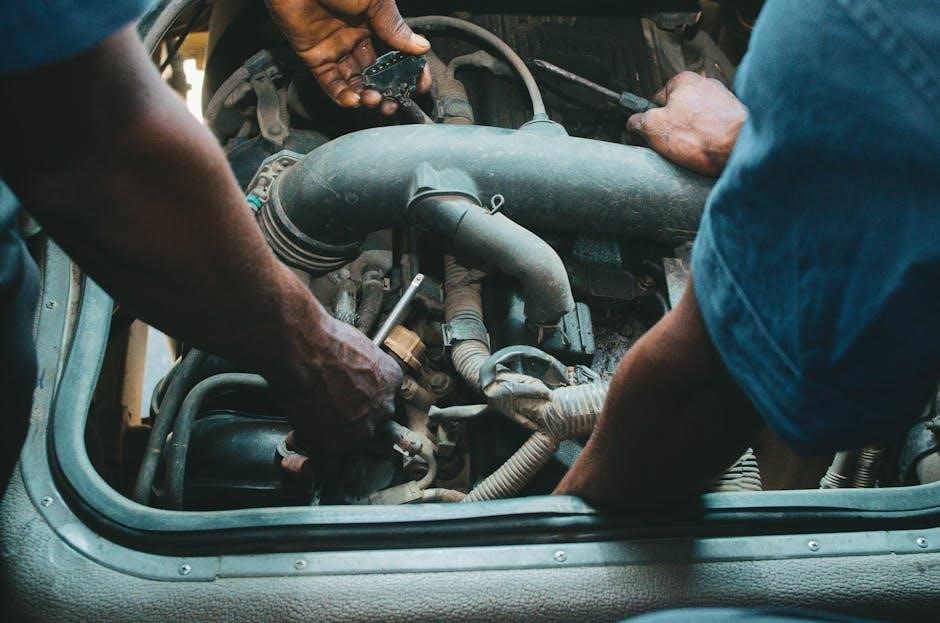
This section details the operation and service of the Series 15 transmission, clutch, front and rear axles․
It covers adjustment, repair, and inspection procedures for all drivetrain components․
Transmission – Operation and Service
The Mahindra Series 15 transmission is a robust system designed for reliable power transfer․ Understanding its operation is crucial for effective service․ This section details the internal workings, shift patterns, and common operational characteristics of the transmission․ Proper functioning relies on maintaining correct oil levels and utilizing the specified lubricant type․
Service procedures encompass a thorough inspection for wear and damage to gears, shafts, and bearings․ Disassembly and reassembly require specialized tools and adherence to torque specifications․ Pay close attention to synchronizer mechanisms and shift linkages, ensuring smooth and precise gear engagement․
Troubleshooting common issues like difficult shifting, noise, or oil leaks is also covered․ Identifying the root cause often involves a systematic approach, starting with external checks and progressing to internal component inspection․ Regular maintenance, including oil changes and filter replacements, significantly extends transmission life and prevents costly repairs․ Always consult the detailed diagrams and specifications provided within this manual․
Clutch – Adjustment and Repair
The clutch system in the Mahindra Series 15 is vital for smooth gear changes and overall tractor operation․ This section provides detailed instructions for clutch adjustment, ensuring optimal engagement and disengagement․ Proper adjustment prevents slippage, jerking, and premature wear of clutch components․

Repair procedures cover the complete clutch assembly, including pressure plate, friction disc, and release bearing․ Disassembly requires careful attention to component orientation and torque specifications during reassembly․ Inspect the flywheel surface for scoring or heat damage, and resurface or replace as needed․
Troubleshooting common clutch issues, such as slippage, dragging, or complete failure, is addressed․ Identifying the cause often involves checking for worn components, hydraulic leaks (if applicable), or improper adjustment․ Regular inspection and maintenance, including cleaning and lubrication, are essential for maximizing clutch life․ Always refer to the detailed diagrams and specifications within this manual for accurate procedures․
Front Axle – 4WD System Service
The Mahindra Series 15’s 4WD system enhances traction in challenging conditions․ This section details service procedures for the front axle and associated 4WD components, ensuring reliable operation․ Proper maintenance is crucial for preventing damage and maximizing the system’s effectiveness․
Service includes inspection of the front axle housing, wheel bearings, and drive shafts for wear or damage․ Lubrication procedures are outlined, specifying the correct grease type and intervals․ Troubleshooting covers common issues like disengagement problems, unusual noises, or loss of 4WD functionality․
Detailed instructions guide the disassembly and reassembly of the 4WD engagement mechanism․ This includes the shift forks, collar, and engagement sleeve․ Pay close attention to torque specifications and proper alignment of components․ Regular checks of the 4WD fluid level and condition are vital․ Always consult the wiring diagrams when addressing electrical components related to the 4WD system․
Rear Axle – Inspection and Maintenance
Maintaining the rear axle of your Mahindra Series 15 tractor is vital for safe and efficient operation․ This section provides comprehensive guidance on inspection and preventative maintenance procedures․ Regular checks minimize downtime and prevent costly repairs, ensuring longevity of the drivetrain․
Inspection procedures cover the axle housing, differential, and final drive components․ Look for signs of leaks, cracks, or damage․ Check the axle oil level and condition, replacing it according to the recommended schedule․ Inspect the wheel bearings for play and smooth rotation, adjusting or replacing as needed․
Maintenance tasks include lubricating all grease fittings and verifying proper brake operation․ Pay attention to the condition of seals and gaskets, replacing them proactively to prevent oil leaks․ Torque specifications for all fasteners are critical; adhere to them during reassembly․ Consult wiring diagrams when inspecting electrical connections related to axle sensors or controls․

Hydraulic System
This section details the Mahindra Series 15’s hydraulic system, covering pump testing, cylinder troubleshooting, and hose/fitting replacement․
Proper maintenance ensures optimal functionality and prevents leaks․
Hydraulic Pump – Testing and Repair
The hydraulic pump is central to the Series 15’s functionality, powering implements and steering․ Testing involves verifying pressure output against factory specifications, typically using a pressure gauge connected to the test port․
Low pressure indicates potential issues like worn pump gears, internal leaks, or a faulty relief valve․
Repair procedures begin with disconnecting the pump from the drivetrain and carefully inspecting for external damage․ Internal repairs often necessitate a complete pump disassembly, requiring specialized tools and a clean workspace․
Worn gears, seals, and bearings should be replaced with OEM parts to maintain performance․
Before reinstallation, prime the pump with hydraulic fluid to prevent cavitation․
Ensure proper alignment during installation and thoroughly bleed the system to eliminate air pockets․
Regularly check for leaks after repair, and monitor hydraulic fluid levels to prevent pump damage․ Always consult the service manual for specific torque specifications and procedures․
Hydraulic Cylinders – Troubleshooting Leaks
Hydraulic cylinder leaks in the Mahindra Series 15 commonly occur at the rod seal, piston seal, or along the cylinder body․ Troubleshooting begins with a visual inspection for external fluid traces․
Rod seal leaks often present as fluid streaming down the rod during operation, while piston seals may cause a loss of power or erratic movement․
To diagnose, extend and retract the cylinder slowly, observing for leak points․ Internal leaks require cylinder disassembly․
Carefully remove the end caps, inspect the seals for wear or damage, and replace them with appropriate replacements․ Ensure cylinder walls are smooth and free from scratches․
Before reassembly, lubricate all seals with hydraulic fluid․ Proper torque specifications for end caps are crucial to prevent future leaks․
After reinstallation, cycle the cylinder several times and re-check for leaks․ Regular inspection of hydraulic hoses and fittings connected to the cylinders is also vital to prevent pressure loss and leaks․
Hydraulic Hoses & Fittings – Replacement
Replacing hydraulic hoses and fittings on the Mahindra Series 15 requires careful attention to detail to maintain system integrity․ Always relieve hydraulic pressure before disconnecting any lines․
Inspect hoses for cracks, abrasions, or bulges – these indicate imminent failure․ Fittings should be checked for corrosion or damage to the threads․
When removing hoses, capture any escaping fluid to prevent environmental contamination․ Use the correct wrenches to avoid rounding off fitting nuts․
New hoses must meet or exceed the original specifications for pressure rating and size․ Apply thread sealant specifically designed for hydraulic systems to fitting threads before installation․
Torque fittings to the manufacturer’s specifications to ensure a secure, leak-free connection․ After replacement, slowly re-pressurize the system and thoroughly inspect all connections for leaks․ Proper hose routing is essential to prevent chafing and damage․ Regularly inspect replaced components for wear․

Electrical System
This section details the Series 15’s electrical components, including wiring diagrams for troubleshooting․ Service procedures cover the battery, starter, alternator, lights, and indicators for optimal function․
PDF manuals offer comprehensive wiring schematics for efficient repair and diagnosis․
Wiring Diagrams – Series 15 Tractors
Detailed wiring diagrams are crucial for diagnosing and repairing electrical issues within the Mahindra Series 15 tractors․ These diagrams illustrate the complete electrical system, showing the interconnection of all components – from the battery and starter to the lights, indicators, and any auxiliary equipment․
Access to these diagrams, often found within the service manuals and available as digital downloads, allows technicians to trace circuits, identify faulty wiring, and perform accurate repairs․ Understanding the wiring layout is essential for safely and effectively troubleshooting electrical problems, preventing further damage, and ensuring the tractor’s functionality․
The diagrams typically include color-coding for wires, component locations, and connection points, simplifying the repair process․ PDF manuals provide readily available schematics, enabling quick reference during maintenance and repair procedures․ Proper use of these diagrams minimizes downtime and ensures the electrical system operates reliably․
Always disconnect the battery before working on the electrical system․
Battery – Testing and Charging
Regular battery testing is vital for ensuring reliable starting and operation of the Mahindra Series 15 tractor․ A weak or failing battery can lead to starting difficulties, especially in cold weather․ Utilize a voltmeter to check the battery’s voltage; a fully charged 12-volt battery should read approximately 12․6 volts․ Load testing assesses the battery’s ability to deliver current under load, revealing its overall health․
If the battery fails a test, charging is the next step․ Use a compatible battery charger, following the manufacturer’s instructions carefully․ Avoid overcharging, as this can damage the battery․ Ensure proper ventilation during charging to prevent the buildup of explosive gases․

Inspect the battery terminals for corrosion and clean them with a wire brush if necessary․ Secure connections are crucial for optimal performance․ Refer to the service manual for specific charging recommendations and safety precautions related to the Series 15 tractors․
Always wear safety glasses when working with batteries․
Starter & Alternator – Service Procedures
Proper starter and alternator function are critical for the Mahindra Series 15’s reliable operation․ Troubleshooting a non-starting engine often begins with the starter․ Inspect the starter solenoid for proper engagement and check the wiring connections for corrosion or damage․ Testing the starter motor itself requires caution and appropriate tools․
The alternator is responsible for charging the battery and powering the electrical system while the engine is running․ Check the alternator’s output voltage with a multimeter to ensure it’s within the specified range․ Inspect the drive belt for wear or damage, and adjust tension as needed․
Service procedures may involve removing and replacing these components․ Always disconnect the battery before working on the electrical system․ Consult the service manual for detailed instructions, torque specifications, and wiring diagrams specific to the Series 15․ Proper diagnosis and repair ensure continued performance․
Safety first: always disconnect the battery!
Lights & Indicators – Repair and Replacement
Maintaining functional lights and indicators is crucial for safe operation of the Mahindra Series 15 tractor, especially during low-light conditions or on public roads․ Troubleshooting begins with checking bulbs for failure and inspecting wiring for shorts or open circuits․ Fuses should be examined as a common cause of lighting malfunctions․
Repair procedures involve replacing damaged bulbs, repairing wiring harnesses, and ensuring proper grounding․ Indicator lights, including turn signals and hazard lights, require careful attention to the flasher unit and switch operation․ Wiring diagrams are essential for tracing circuits and identifying potential issues․
When replacing lenses or housings, ensure they are compatible with the Series 15 model․ Always disconnect the battery before working on the electrical system․ Properly aligned lights maximize visibility and safety․ Refer to the service manual for specific instructions and torque specifications․
Remember to test all lights after any repair!

Braking System
The braking system’s overview details inspection, maintenance, and repair procedures for safe and reliable stopping power․ Regular checks are vital for optimal performance․
Ensure proper adjustment and component functionality for consistent braking action․
Brake System Overview
The Mahindra Series 15 braking system is a crucial component for safe operation, demanding regular inspection and diligent maintenance․ This overview details the system’s fundamental principles and key components, providing a foundation for effective troubleshooting and repair․ Understanding the system’s layout – including brake lines, master cylinder, wheel cylinders, and brake shoes or discs – is paramount․
Proper functionality relies on hydraulic pressure, transmitted through brake lines to actuate the wheel cylinders, applying friction to slow or stop the tractor․ Regularly inspect brake lines for leaks, damage, or corrosion, as any compromise in the hydraulic system directly impacts braking performance․ The master cylinder, responsible for generating hydraulic pressure, requires periodic fluid level checks and inspection for internal leaks․
Brake shoes or discs must be examined for wear, ensuring sufficient friction material remains for effective stopping․ Adjustment is critical; too little clearance results in dragging brakes, while excessive clearance diminishes stopping power․ Always adhere to the manufacturer’s specifications for adjustment procedures․ A thorough understanding of these elements is essential for maintaining a safe and reliable braking system on your Mahindra Series 15 tractor․