This beloved children’s book, mirroring the rhythm of “Brown Bear, Brown Bear,” captivates young minds with its repetitive text and vibrant animal sounds․
The Book’s Core Concept
At its heart, “Polar Bear, Polar Bear, What Do You Hear?” is a delightful exploration of auditory perception and animal recognition․ The narrative unfolds through a call-and-response format, prompting children to actively listen and identify the unique sounds each animal makes․
Eric Carle masterfully uses repetition – the recurring question “What do you hear?” – to reinforce learning and build anticipation․ This rhythmic structure not only aids in memorization but also encourages participation and engagement․ The book isn’t simply about seeing animals, but about experiencing them through sound, fostering a multi-sensory learning experience․ It’s a foundational introduction to animal sounds and a celebration of the natural world, presented in a playful and accessible manner․
Author and Illustrator: Eric Carle
Eric Carle, a celebrated author and illustrator, is renowned for his visually striking and engaging children’s books․ Born in 1929, Carle’s distinctive collage technique, utilizing hand-painted papers, brings his stories to life with vibrant colors and textures; He’s the creative force behind classics like “The Very Hungry Caterpillar” and, of course, “Polar Bear, Polar Bear, What Do You Hear?”
Carle’s work consistently focuses on themes of nature, learning, and imagination․ His ability to connect with young readers stems from his understanding of child development and his commitment to creating books that are both entertaining and educational․ He seamlessly blends art and storytelling, making him a beloved figure in children’s literature worldwide;
Target Age Group & Educational Value
“Polar Bear, Polar Bear, What Do You Hear?” is ideally suited for children aged 2 to 5 years old․ Its simple, repetitive structure and engaging animal sounds make it perfect for toddlers and preschoolers․ The book fosters early literacy skills, including phonological awareness, as children predict and repeat the rhythmic phrases․
Beyond language development, the story introduces young learners to a variety of animals and their unique sounds․ It encourages observation, listening skills, and a basic understanding of the natural world․ The book’s predictable pattern builds confidence and promotes participation, making it a valuable tool for both home and classroom settings․
Engaging with the Story: Listening Skills
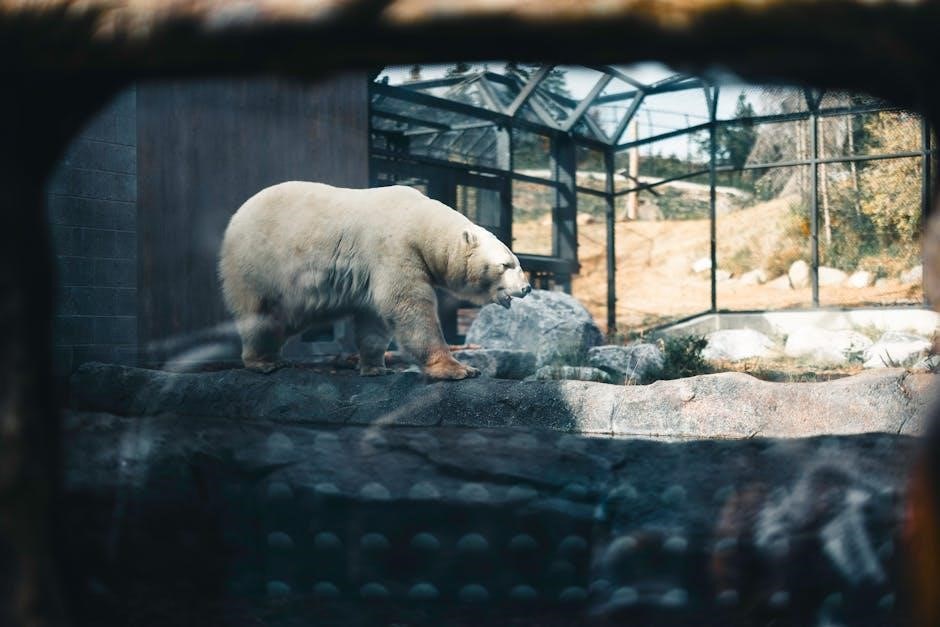
The book powerfully develops auditory processing; children actively listen for animal sounds, enhancing their ability to identify and differentiate noises effectively․
Sound Identification Activities
Begin by reading “Polar Bear, Polar Bear, What Do You Hear?” and prompting children to recall the sounds each animal makes․ Extend this by playing a “sound guessing game” – imitate animal noises and have students identify them․
Record children’s responses on chart paper, visually documenting their auditory recognition․ Utilize a recorder to play sounds, encouraging quiet listening and focused attention․
Further enhance this skill by creating sound matching cards, pairing pictures of animals with recordings of their corresponding sounds․ This multi-sensory approach reinforces learning and builds a strong foundation for phonological awareness․
Classroom Sound Exploration
Transform your classroom into a soundscape! Encourage children to close their eyes and listen intently for various sounds within the room – a ticking clock, rustling paper, or even distant hallway noises․
Discuss these sounds as a class, categorizing them as loud or soft, near or far․ Extend the activity by venturing outside (if feasible) to identify environmental sounds like birds chirping or cars passing․
This exploration fosters auditory discrimination and awareness, directly linking to the book’s core theme․ Document findings on a class “Sound Map,” visually representing the classroom’s auditory environment․
Connecting Sounds to Animals
Building upon sound identification, challenge students to associate specific sounds with the animals featured in the book․ What sound does a lion make? A seal? A walrus? Utilize animal sound recordings or encourage children to imitate the sounds themselves․
Discuss how animals use sounds to communicate – to warn of danger, attract mates, or locate food․ Extend this by exploring sounds animals use for hunting, like the polar bear’s stealthy approach․
This activity reinforces animal recognition and introduces basic concepts of animal behavior and communication, enriching comprehension․
Expanding the Story: Creative Activities
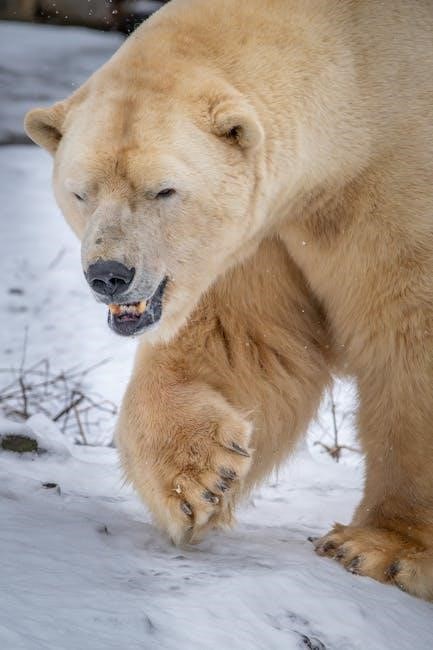
Unleash imagination! Children can create their own verses, design animal masks, and participate in role-playing, extending the story’s playful exploration of sounds․
Creating a Classroom Version of the Story
Encourage collaborative storytelling! After discussing the sounds animals make, guide students to brainstorm new animal pairings and corresponding sounds․ Record their ideas, then collectively construct a classroom version of “Polar Bear, Polar Bear․”
This activity fosters listening skills, encourages participation, and builds a sense of ownership over the narrative․ Students can illustrate their version, creating a unique class book․ Small group discussions beforehand help refine sound choices and ensure clarity․ The final product showcases their creativity and reinforces the book’s rhythmic structure, promoting literacy and teamwork․
Animal Mask Creation & Role-Playing
Bring the story to life through imaginative play! Have students create masks representing the animals featured in “Polar Bear, Polar Bear, What Do You Hear?” using paper plates, construction paper, and craft supplies․
Once masks are complete, facilitate role-playing․ Children can take turns being the polar bear and other animals, reciting the corresponding sounds; This kinesthetic activity enhances comprehension and encourages expressive communication․ It also allows for spontaneous interaction and reinforces animal identification․ Encourage silly voices and movements to amplify the fun and engagement!
Worksheet Activities & Critical Thinking
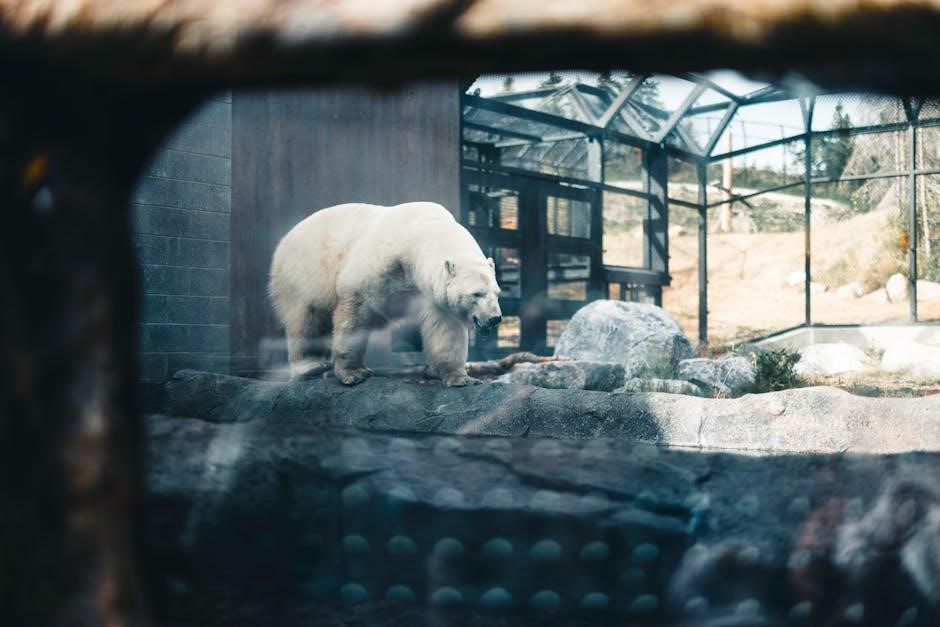
Supplement the story with engaging worksheets! These can include matching animal pictures to their sounds, coloring pages featuring the book’s illustrations, or simple fill-in-the-blank exercises focusing on the repetitive phrases․
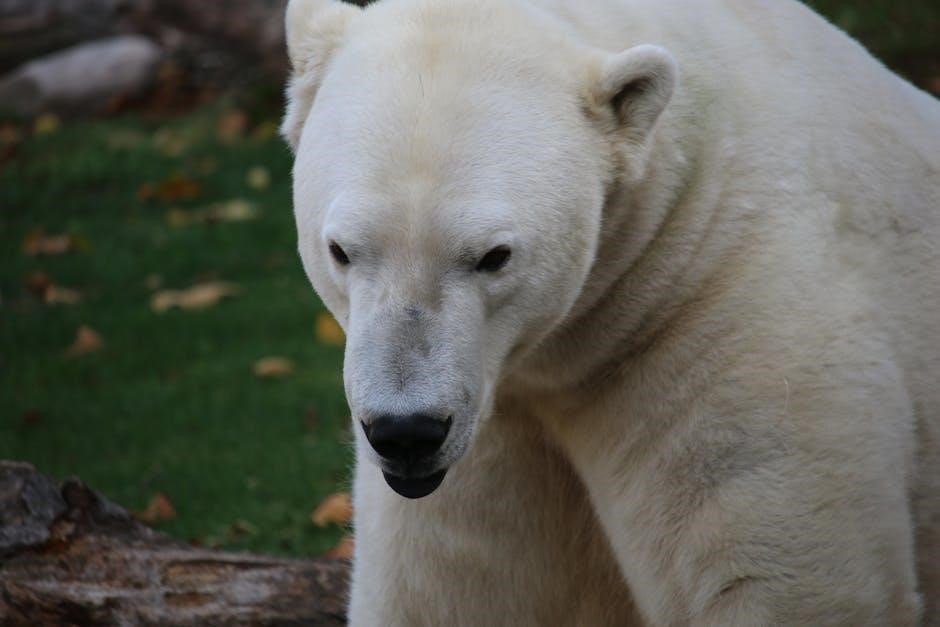
Beyond rote memorization, pose critical thinking questions․ “What might happen if the polar bear didn’t hear the other animals?” or “Can you think of another animal and its sound to add to the story?” Encourage students to justify their answers, fostering analytical skills․ Worksheets should be a springboard for discussion, not just independent work․
Polar Bear Facts & Biology
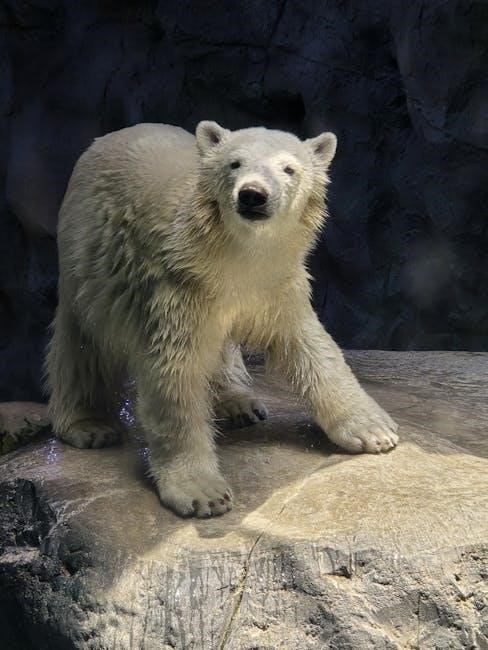
Polar bears are masterful swimmers, capable of traveling 120 kilometers in the water, perfectly adapted to their Arctic habitat and icy environment․
Polar Bear Habitat & Geographic Distribution
Polar bears primarily inhabit the Arctic regions of the world, thriving in icy environments where they hunt seals – their main food source․ Their geographic distribution encompasses countries like Canada, Russia, Greenland, Norway, and the United States (Alaska)․
These magnificent creatures depend on sea ice for hunting, breeding, and traveling․ As climate change causes sea ice to diminish, their habitat is increasingly threatened, impacting their ability to survive․ While typically found in the Arctic, occasional sightings, though unusual, can occur in places like Vancouver, demonstrating their adaptability and search for food sources․
Swimming Abilities & Adaptations
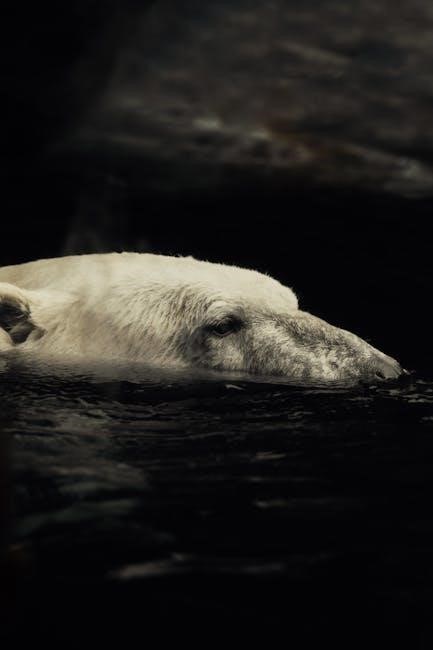
Polar bears are exceptionally skilled swimmers, perfectly adapted for their icy environment․ They can swim for extended periods and cover remarkable distances – up to 120 kilometers! This ability is crucial for hunting seals, accessing different ice floes, and navigating their Arctic habitat․
Several physical adaptations contribute to their swimming prowess․ Large paws act as paddles, and their dense fur provides insulation in frigid waters․ A thick layer of blubber further aids buoyancy and warmth․ These adaptations demonstrate how polar bears have evolved to thrive in a challenging, aquatic environment, making them truly masterful swimmers․
Polar Bear Diet & Hunting Techniques
Polar bears are primarily carnivorous, with seals constituting the majority of their diet․ They employ various hunting techniques, often relying on stealth and patience near breathing holes in the ice; Waiting for a seal to surface, they use their powerful paws to quickly pull it from the water․
They also hunt on the ice surface, ambushing seals basking in the sun․ While seals are their staple, polar bears will occasionally consume other animals like walruses, birds, and even vegetation when food is scarce․ Their hunting success is vital for survival in the harsh Arctic conditions, demanding both strength and strategic skill․
Lesson Plan Implementation
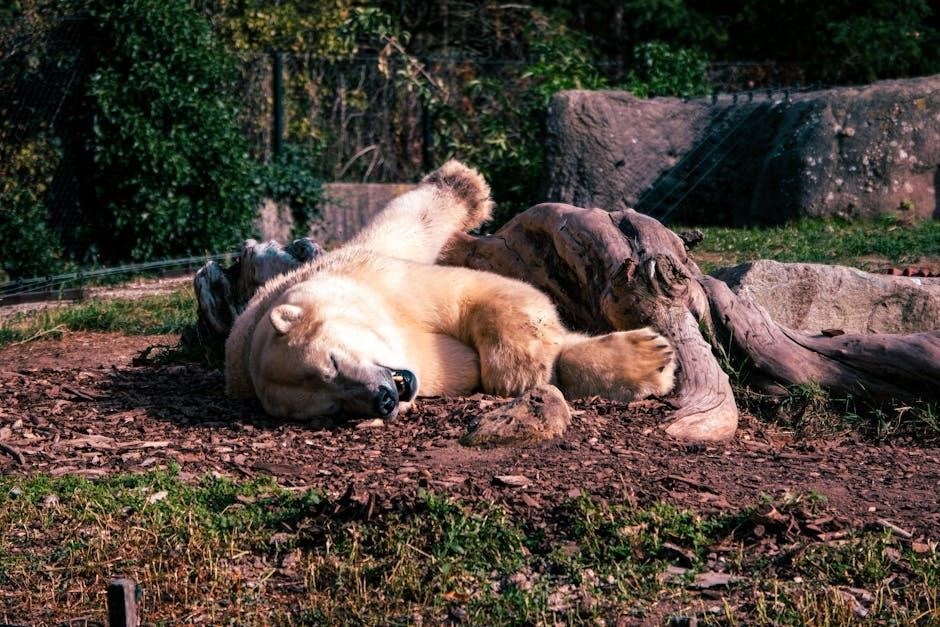
A kindergarten lesson plan focuses on sound identification, animal recognition, and creative expression, utilizing masks and worksheets for interactive learning experiences․
Kindergarten Lesson Plan Outline
Begin with a captivating read-aloud of “Polar Bear, Polar Bear, What Do You Hear?” encouraging active listening for distinct animal sounds․ Initiate a class discussion, charting student responses about the sounds identified within the story․
Transition into a sound exploration activity, prompting children to identify sounds within the classroom environment․ Subsequently, connect these sounds to corresponding animals, fostering a deeper understanding of auditory cues․
Introduce animal masks, facilitating role-playing and reinforcing animal recognition․ Conclude with a worksheet activity designed to assess comprehension and encourage critical thinking about the sounds and animals featured in the book․ This plan supports literacy and auditory skills․
Materials Required for the Lesson
A copy of “Polar Bear, Polar Bear, What Do You Hear?” is essential, alongside chart paper and markers for recording student responses during the initial sound identification activity․ A recording device can capture children’s sound explorations․
Animal masks representing the creatures featured in the book are crucial for role-playing, enhancing engagement and animal recognition․ Worksheets, ideally printable templates, will assess comprehension and critical thinking skills․
Optional materials include art supplies for mask creation and coloring materials for related activities․ Access to online resources showcasing polar bear habitats can enrich the learning experience․
Assessment of Student Understanding
Observe student participation during discussions about the sounds heard in the story and their ability to identify those sounds independently․ Evaluate their contributions to the classroom version of the story, noting their sound choices and animal associations․
Review completed worksheets for accurate sound-animal pairings and evidence of critical thinking, such as predicting what sound a new animal might make․ Assess comprehension through one-on-one questioning, probing their understanding of the book’s core concept․
Observe engagement during role-playing with animal masks, gauging their ability to mimic animal sounds and demonstrate understanding․
Printable Resources & Templates
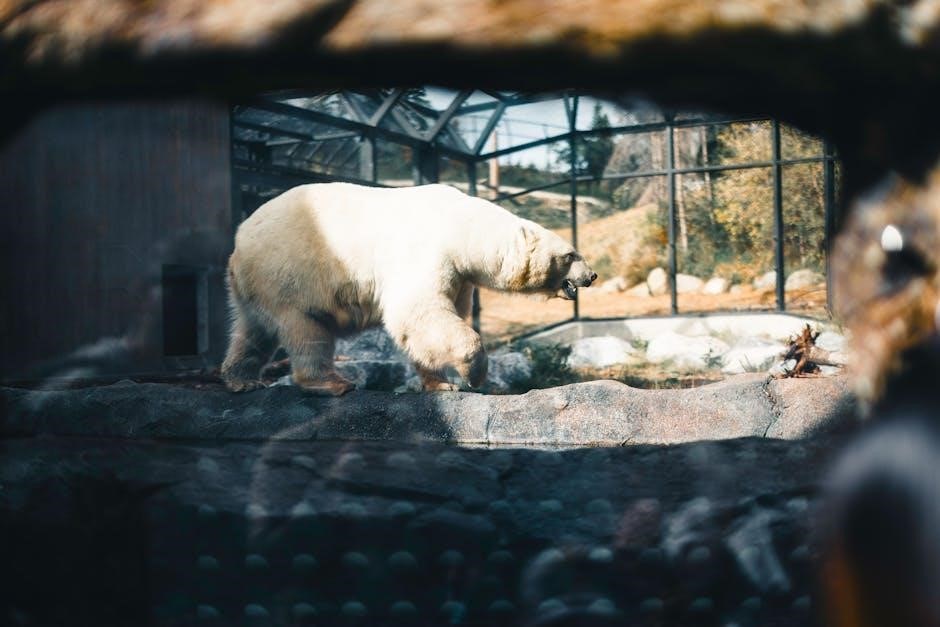
Numerous free printable templates, crafts, and accompanying worksheets are readily available online to enhance learning and creative expression based on this story․
Free Printable Templates Availability
A wealth of free printable resources directly supports engaging with “Polar Bear, Polar Bear, What Do You Hear?” Online platforms offer downloadable templates for crafting animal masks – essential for role-playing activities that reinforce character recognition and story recall․
Furthermore, readily accessible worksheets focus on sound identification, matching animals to their corresponding noises, and promoting critical thinking skills․ These resources often include coloring pages featuring the book’s iconic illustrations, fostering artistic expression alongside literacy development․ Many educators utilize these templates to create interactive classroom displays and individualized learning materials, extending the story’s impact beyond the initial read-aloud session․
Craft Ideas Based on the Book
Inspired by “Polar Bear, Polar Bear, What Do You Hear?”, numerous crafts enhance the learning experience․ Creating animal masks – polar bear, lion, and others featured in the story – encourages imaginative role-playing and reinforces animal identification․ Children can construct simple puppets representing each animal, retelling the story in their own words․
Another engaging activity involves making a class “sound book,” where students illustrate each animal and record its corresponding sound․ Collages depicting the animals’ habitats are also effective․ These hands-on projects not only develop fine motor skills but also deepen comprehension and foster a love for reading․
Worksheet Examples & Usage
Worksheets accompanying “Polar Bear, Polar Bear, What Do You Hear?” can reinforce key skills․ Examples include matching animals to their sounds, completing fill-in-the-blank sentences using animal names, and coloring pages featuring story illustrations․ Critical thinking questions, such as “What might happen if the polar bear didn’t hear the other animals?” promote deeper engagement․
These worksheets are best used after reading the book aloud, serving as a review and assessment tool․ They can be adapted for different learning levels, offering simpler matching tasks for younger children and more complex writing prompts for older students․ Regular use solidifies comprehension and vocabulary․
Real-World Connections
Connecting the book to real life, zoo visits allow children to identify animal sounds, while observing urban wildlife sparks discussions about habitats․
Urban Wildlife Encounters (e․g․, Vancouver)
While polar bears aren’t typically found wandering city streets, discussing urban wildlife encounters broadens understanding of animal habitats and human-animal interactions․ Cities like Vancouver, though unusual for bear sightings, sometimes experience visits from larger animals․
This presents a valuable opportunity to discuss safety precautions and respecting wildlife boundaries․ Relating this back to the book, children can consider where these animals naturally live and why they might occasionally venture into urban areas․ It encourages critical thinking about environmental factors and responsible coexistence, extending the book’s themes beyond the Arctic․
Zoo Animal Sounds & Observation
A trip to the zoo, or even watching zoo animal videos, provides a fantastic extension to the book’s sound-focused theme․ Students can actively listen for and identify the unique sounds made by various animals, mirroring the activity within “Polar Bear, Polar Bear, What Do You Hear?”․
Observing animal behaviors – how they move, eat, and interact – adds another layer of understanding․ Discussions can center around how these animals communicate, both vocally and non-verbally․ This hands-on experience reinforces listening skills and encourages students to connect the book’s playful sounds to real-world animal communication․
Further Exploration
Extend learning with Eric Carle’s “Brown Bear, Brown Bear, What Do You See?” and explore resources dedicated to polar bear habitats and conservation efforts․
Related Books by Eric Carle (Brown Bear, Brown Bear)
Eric Carle’s signature style shines through many celebrated picture books, offering similar rhythmic patterns and captivating illustrations․ “Brown Bear, Brown Bear, What Do You See?” is a natural extension, introducing colors and animals in a predictable, engaging format․
Like “Polar Bear, Polar Bear,” it utilizes a call-and-response structure, encouraging participation and building language skills․ Other notable titles include “The Very Hungry Caterpillar,” a classic exploring metamorphosis, and “From Head to Toe,” which invites children to mimic animal movements․
Exploring these books reinforces Carle’s themes of nature, learning, and the joy of discovery, providing a cohesive reading experience for young learners․ They all promote early literacy skills beautifully․
Resources for Learning About Polar Bears
Numerous online resources expand upon the world of polar bears, supplementing the story’s introduction․ Websites like National Geographic Kids and the World Wildlife Fund (WWF) offer detailed information on polar bear habitat, diet, and conservation status․
These platforms feature captivating photographs, videos, and interactive maps, bringing the Arctic to life; Educational videos demonstrate their incredible swimming abilities – they can travel 120 kilometers! – and adaptations to frigid environments․
Furthermore, zoos often provide educational programs and exhibits focused on polar bears, offering opportunities for observation and learning․ These resources foster a deeper understanding and appreciation for these magnificent creatures․